Cet article n'est offert qu'en anglais pour le moment.
Guide
Coating a floor in a cold BC shop: winter cure tips
Cold slab, damp air, short days. Here is how to keep epoxy flowing, curing and blush-free when you coat a BC shop in winter.
Par Grimaldi Tools · · 3 min de lecture
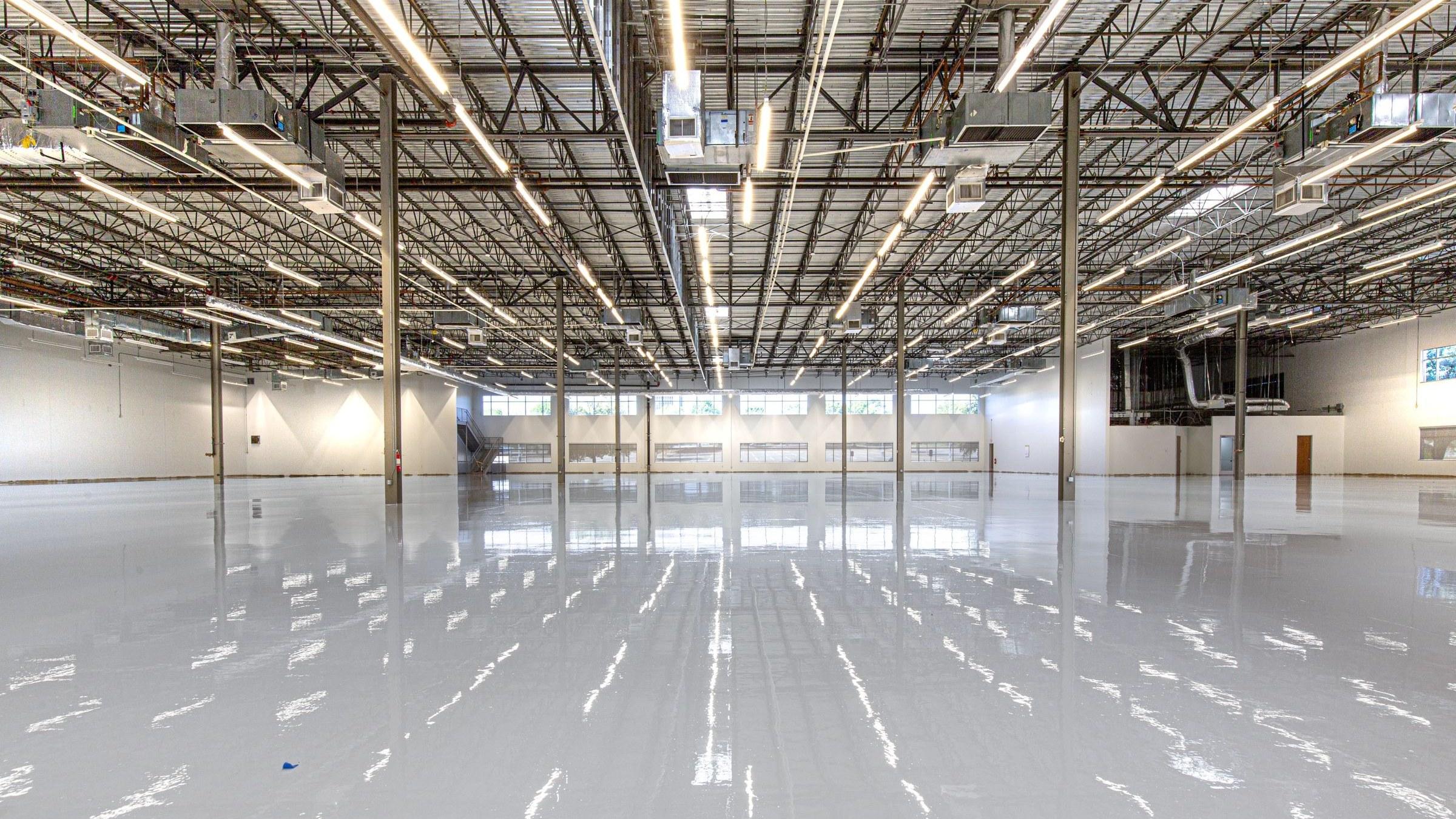
November to March, the coating is rarely the problem. The slab is. A shop that feels fine at 15 °C air can have a floor sitting at 7 °C, and that is the number your epoxy reacts to. Cold resin goes on thick, levels slowly, cures for days instead of hours and can come back with a greasy blush. Here is how to stay ahead of it.
Measure the floor, not the room
Before you mix, check three things and write them down:
Slab temperature. Use an infrared thermometer on the floor itself, in the coldest corner and by the overhead door.
Air temperature and humidity. A cheap hygrometer gives you both.
Dew point. Most coating data sheets want the slab at least 3 °C (5 °F) above the dew point. Closer than that and moisture condenses on the floor, under your coating.
Every product has its own minimums, so the technical data sheet for the coating you are using wins. If the slab is below its minimum, you are not coating today. You are heating.
Heat it early and keep it on
Turn the heat on 24 to 48 hours before the job so the slab warms through, not just the air above it.
Keep it on through the full cure, overnight included. A floor that drops below minimum at 2 a.m. can stop curing and blush.
Use indirect or electric heat. Open-flame propane heaters put CO₂ and water vapour into the room, and that is a recipe for amine blush on epoxy.
Keep overhead doors shut once you start. A forklift run through an open door can drop a cold strip across a wet floor.
Warm the material, not just the floor
Store resin and hardener inside the heated space the day before, off the concrete. Cold material is thick: it fights the squeegee, holds air and leaves roller marks. Never heat a mixed batch to speed it up. Warm the parts, then mix.
Adjust how you lay it
Smaller batches. Cold slows the pot, but a warm batch on a cold floor still kicks in the bucket before it kicks on the floor.
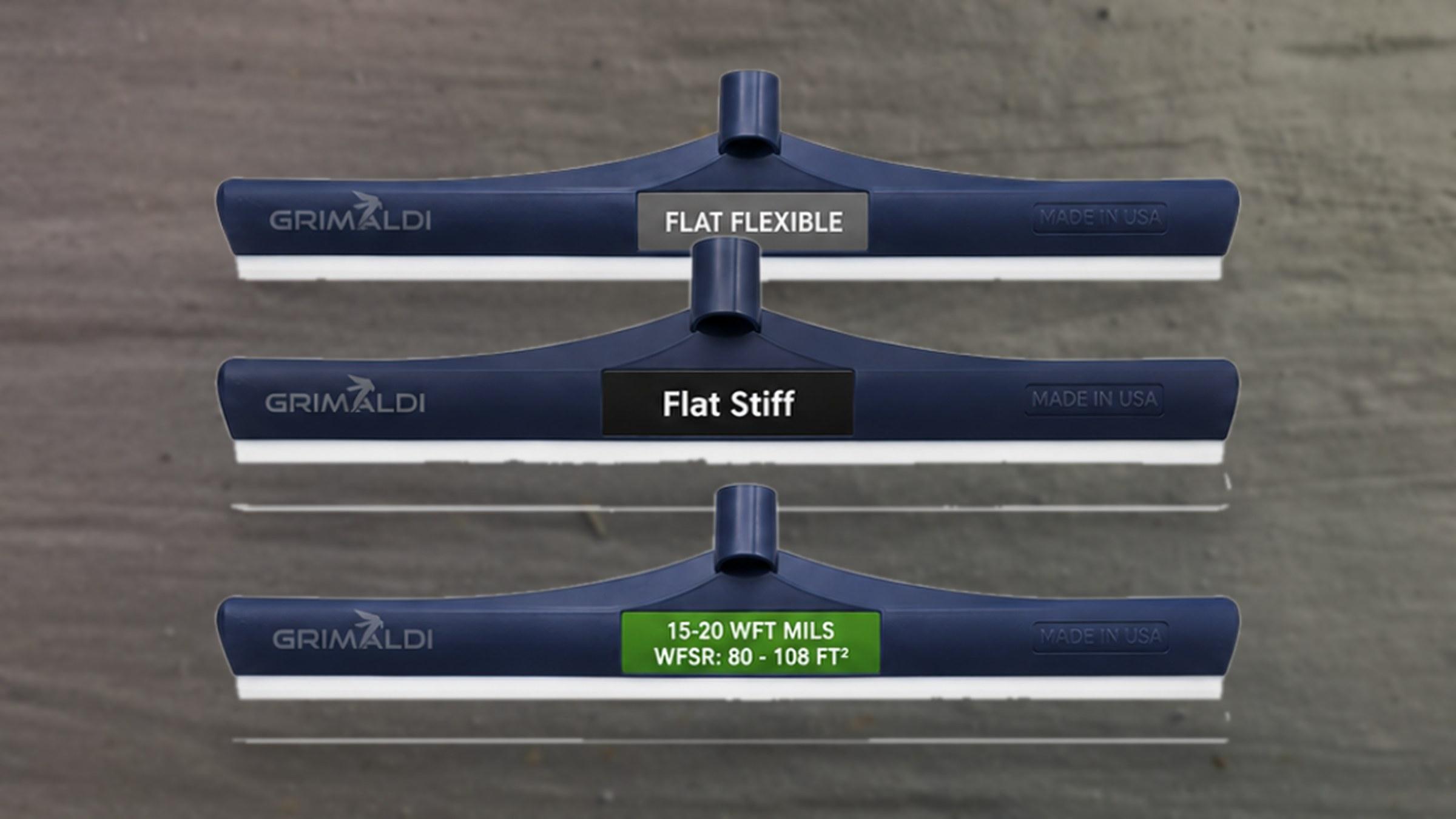
Let the notch set the film. Thick cold resin tempts crews to push harder. A notched squeegee meters the film for you, so the coating goes down at the rated thickness whatever the temperature.
Back-roll with a lint-free cover. A nylon epoxy roller releases thick material evenly without shedding fibres into a film that will stay open longer than usual.
Plan your walk-out. Slow-levelling coatings stay wet longer in the cold, so spiked shoes are the only way back onto the floor to fix a missed spot.
Recoat and return-to-service times grow
Cure schedules on data sheets are usually written for around 20 to 25 °C. Below that, expect every window to stretch, often a lot. Before the next coat, do a thumbnail and tape test in a few spots, and check for blush: a waxy, sticky or cloudy surface. If you find it, wash it off per the coating maker's instructions before recoating, or the next coat may not bond.
Common winter mistakes
Checking air temperature and never checking the slab.
Turning the heat off at the end of the day.
Heating with open-flame propane during the cure.
Mixing full kits on a cold floor and running out of working time.
Recoating on schedule instead of on test.
Products in this article
Always follow the technical and safety data sheets for the coating you are applying.