Guide
How to Remove an Old Floor Coating with a Diamond Cup Wheel
Thin coatings, mastic and adhesive come off fastest with a 6 grit cup wheel, then a finer grit to leave the right scratch. Here is the order of work.
· 4 min read
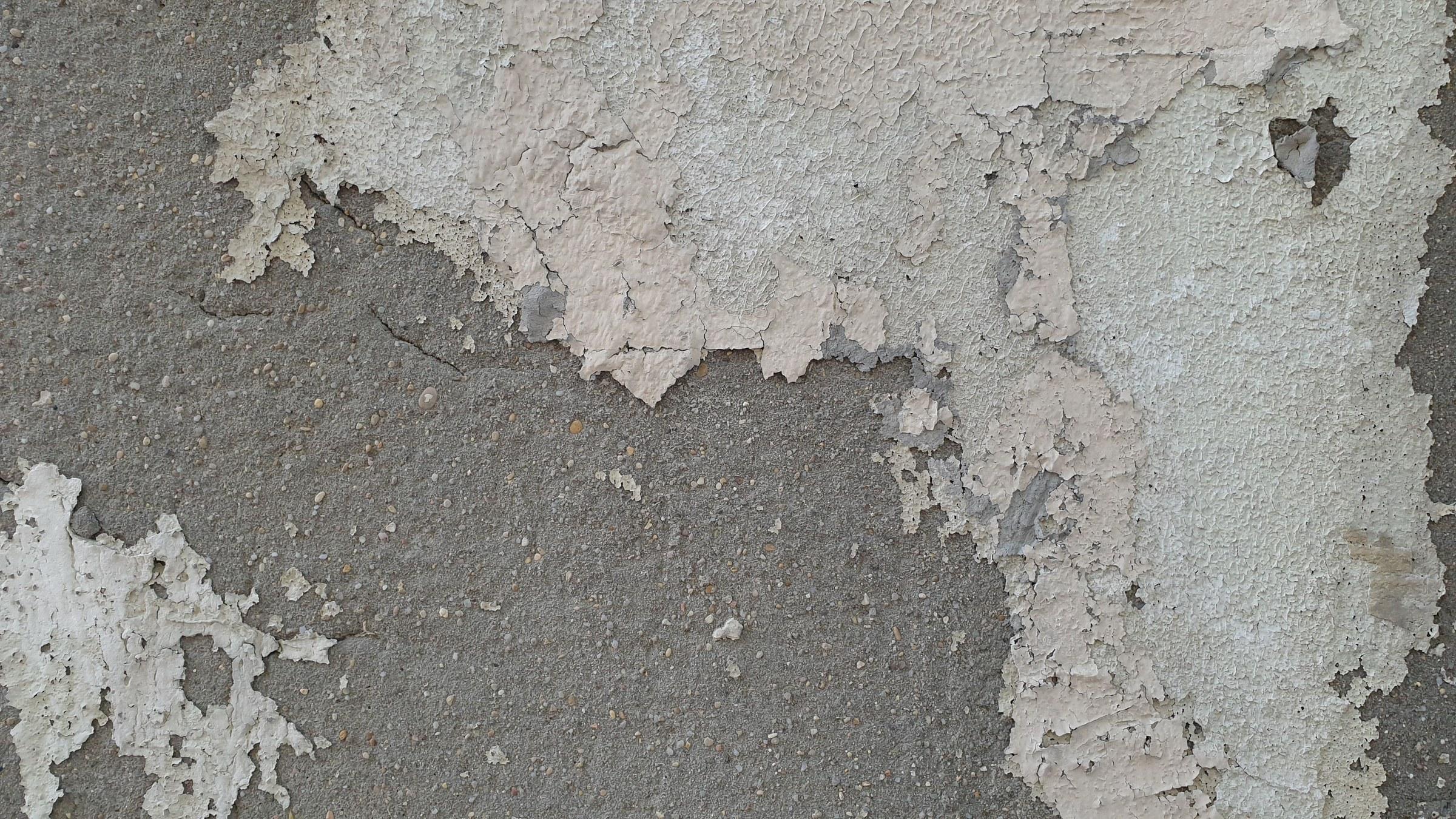
To remove epoxy or paint from concrete, a 6 grit diamond cup wheel on a grinder is the fastest dry method for thin coatings, paint, mastic and adhesive. A new coating is only as good as the surface under it, and when the old one is peeling, contaminated or simply the wrong system, it has to come off.
Thick build systems and tile are a different job. Lift those with a floor scraper first (see which floor scraper), then grind off what is left.
1. Test a patch
Grind a small area, about a metre square, in a corner. It tells you three things before you commit:
How fast the coating comes off
Whether it gums up the wheel (some soft coatings melt and load the segments)
How hard the concrete underneath is
2. Pick the wheel: 6 grit, bond to suit the slab
6 grit is the most aggressive cut and the one for coating, mastic and adhesive removal.
Pick the bond by the concrete underneath. Bond works the opposite way to the slab: hard concrete needs a softer bond so fresh diamond keeps exposing, and softer concrete needs a harder bond so the wheel does not wear away too fast.
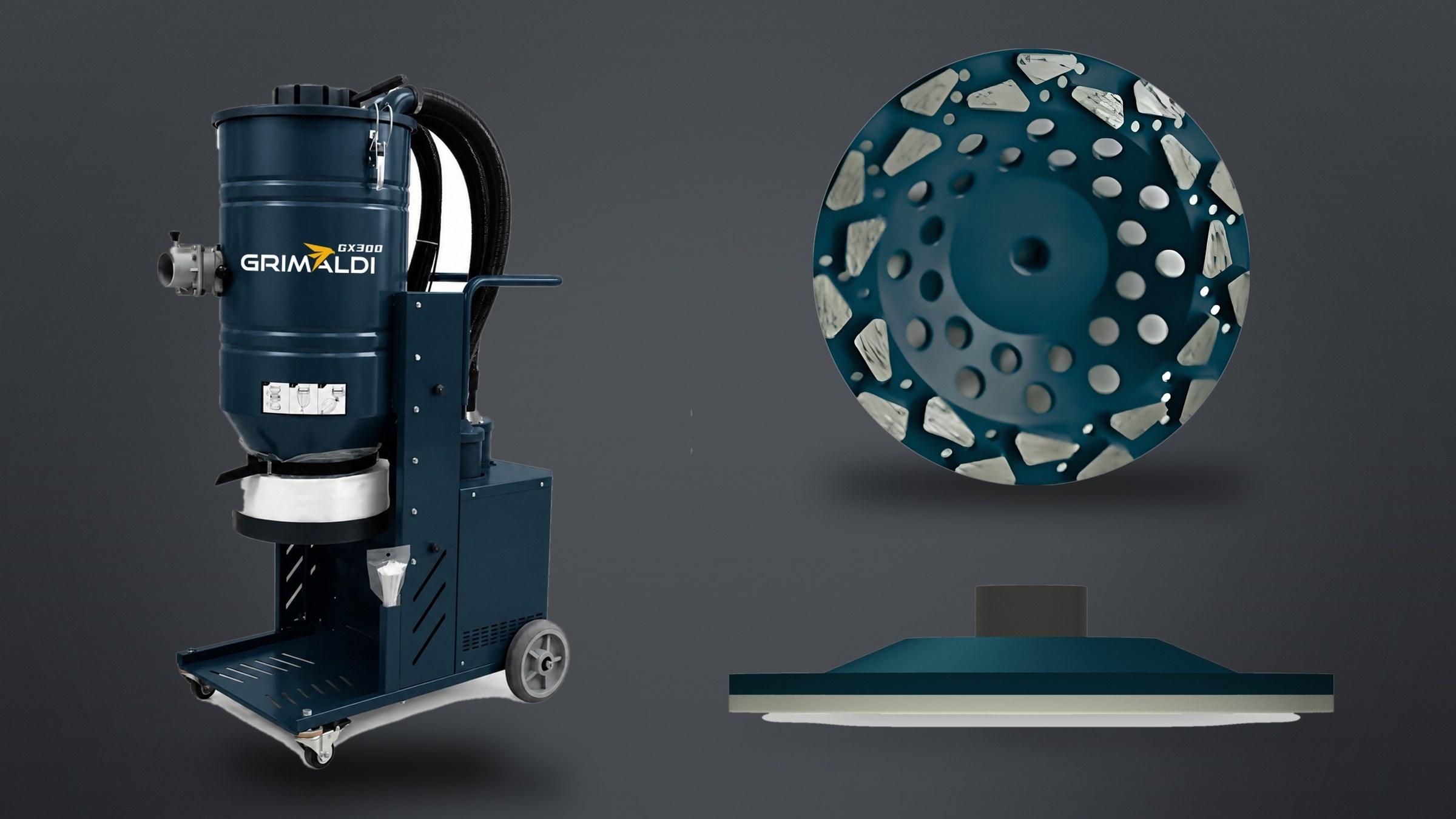
Hard to very hard concrete: 5" super soft bond, 6 grit or 7" super soft bond, 6 grit
Medium concrete: 5" medium bond, 6 grit or 7" medium bond, 6 grit
Softer concrete: 5" hard bond, 6 grit or 7" hard bond, 6 grit
The 5" (12 segments, rated to 12,000 RPM) suits hand grinders, edges and small rooms. The 7" (22 segments, rated to 8,000 RPM) puts more cutting face on open floor. Never mount a wheel on a grinder that runs faster than the wheel's rating. Our bond and grit guide goes deeper.
3. Set up dust extraction first
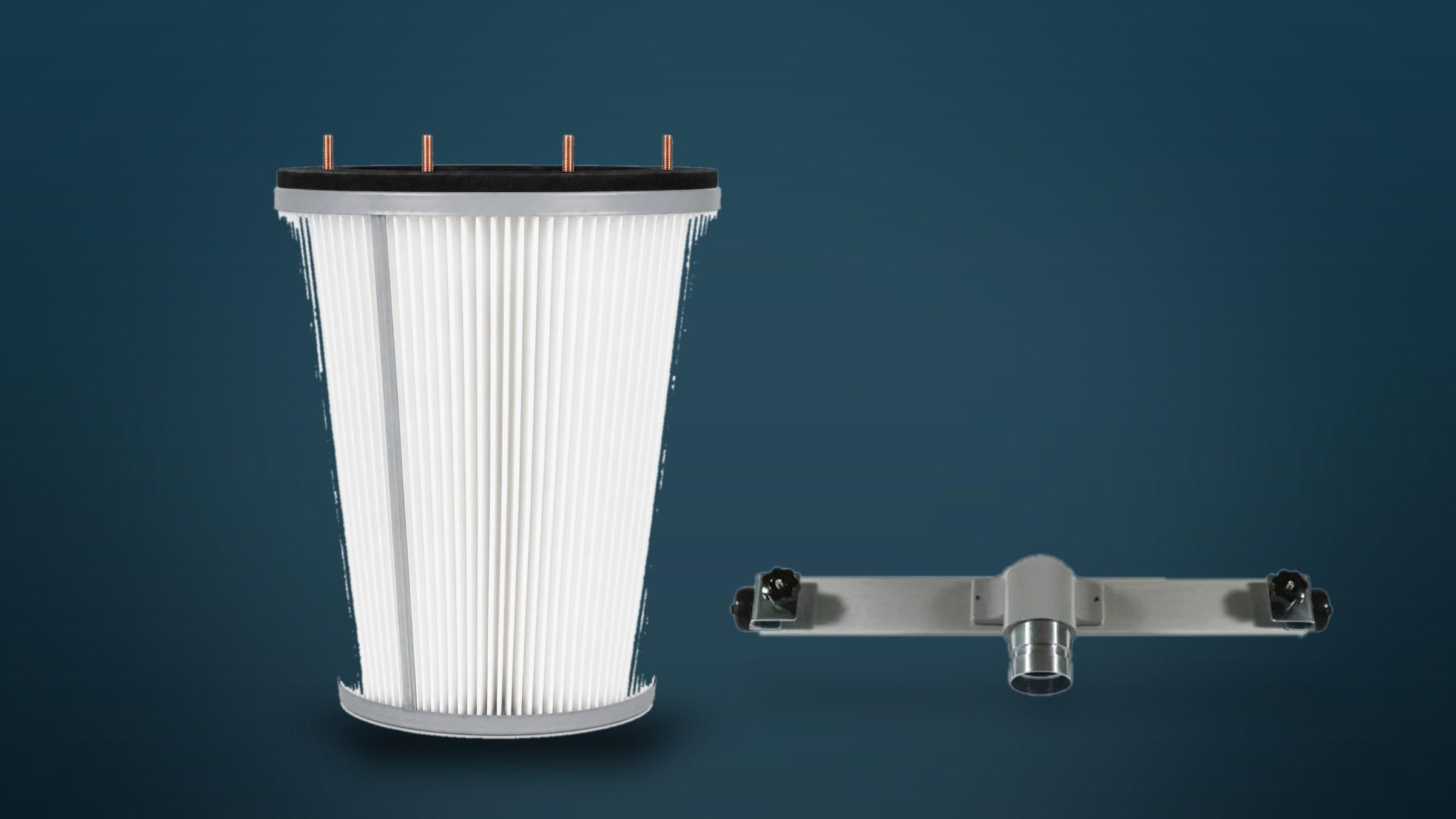
Stripping a coating makes a lot of dust, mixed with silica from the concrete. Run the wheel under a dust shroud connected to an industrial extractor. For hand grinders, a 110 V machine like the CSX2V3; for long removal days behind bigger equipment, a turbine like the JTXP220. To match the machine to your grinder, see how to size a dust extractor. Keep a spare filter: coating dust loads filters faster than bare concrete, and a loaded filter is the first thing to check if suction drops. See silica dust when grinding concrete in BC.
4. Strip the field
Run through the angle grinder safe setup checklist before the first pass.
Keep the wheel flat and let it do the work. Leaning on it overheats the segments and gouges the slab.
Move in steady, overlapping passes.
Stop now and then to look at the segments. If they glaze over and stop cutting, the bond is too hard for the slab. If they wear fast, it is too soft.
If the coating smears and loads the wheel, slow your passes and check that the extractor is pulling well.
5. Do the edges
Use a 5" wheel on a hand grinder along walls, around posts and in corners, with the shroud and extractor still connected.
6. Refine the scratch
The 6 grit leaves a coarse scratch. Go over the floor with a finer grit, such as a 16 grit medium bond for general profiling or 30 grit for a finer surface before coating. Check the new coating's data sheet for the profile it needs.
7. Clean up the dust before recoating
Vacuum the whole floor with the extractor. No dry sweeping. Look for any coating left in low spots and grind it out before you prime.
Questions contractors ask
What grit removes epoxy or paint from concrete?
6 grit. It is the most aggressive cut and the one for coating, mastic and adhesive removal. Follow it with a finer grit to refine the scratch.
Will a cup wheel take off a thick epoxy system or tile?
Not as the first step. Lift thick build systems and tile with a floor scraper, then grind off what is left.
Why is my cup wheel gumming up?
Some soft coatings melt and load the segments. That is one of the things the test patch is for, so check it on a small area before you commit to the whole floor.