Guide
Which Floor Scraper? Flexible, Stiff or Weighted
Scraping is the cheapest step in surface prep and the one that saves the grinder the most work. Four scrapers, four jobs: here is which one to pick up.
· 3 min read
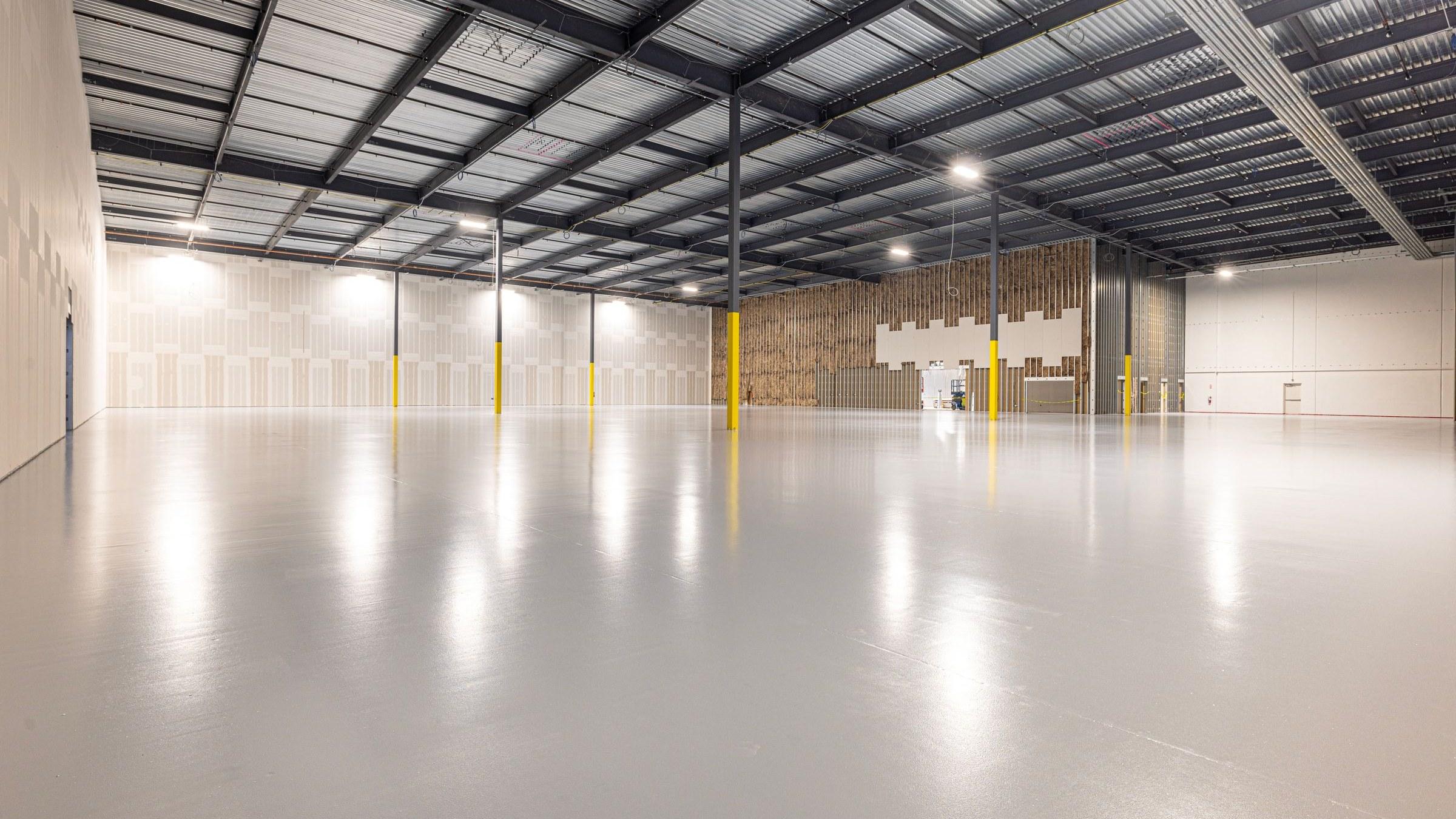
Every coating job starts with a clean slab, and most clean slabs start with a scraper. Clearing tile, old coverings and ridges before grinding means the grinder is cutting concrete instead of fighting debris, and your cup wheels last longer. Later in the job, a scraper is also what takes a chip floor from rough to ready for topcoat.
The right scraper depends on what you are taking off. Here are the four types and the job each one is for.
1. Flexible blade: tear-outs and open floor
The 18" floor scraper (GRSC-7010) has a flexible heavy-duty steel blade and a long hardwood handle. The flexible steel follows the slab and gets under tile, adhesive and old floor coverings, and the 18" blade covers ground quickly on open floor. The long handle lets you work standing up instead of on your knees.
Use it for general tear-outs and clearing large areas before the grinder goes down.
2. Weighted, all-steel: stubborn tile
The 20" all-steel floor scraper (GRSC-7020) has a weighted base that keeps the blade down, so it bites under tile and old flooring with less effort from you. The tapered blade reaches into corners, and the T handle gives you leverage to pry up stubborn sections. When the edge wears, replace the blade instead of the whole tool.
Use it for demolition-grade removal, where a lighter scraper would ride over the material.
3. Stiff blade: spot work, edges and doorways
The heavy-duty floor scraper (GRSC-7060) has a stiff 4" x 4" high carbon steel blade on a steel tube handle covered in PVC. A stiff blade puts your push straight into the edge, so it bites into stubborn material where a flexible blade would ride over it, and the compact blade concentrates force on a small area.
Use it for drips, splatter and ridges on concrete, and for edges and doorways. It comes in 12", 48" and 60" sizes.
4. Round edge smoother: chips before the topcoat
The 24" round edge flexible blade smoother (GRSC-7030) belongs at the other end of the job. After a full chip broadcast has cured, scraping knocks off loose and standing chips so the topcoat lays down smooth. The round edges help keep the blade corners from digging into the surface, and the flexible blade follows the floor. It also spreads and smooths cementitious materials, and it threads onto a standard threaded handle.
Scrape, then vacuum
Whatever you scraped, vacuum the floor thoroughly before the next step: before grinding, so debris does not clog the wheels, and before the topcoat, so loose chips and dust do not end up in the finish.
Quick reference
Tile and old coverings over open floor: 18" flexible (GRSC-7010)
Stubborn tile, demolition: 20" weighted all-steel (GRSC-7020)
Drips, ridges, edges and doorways: stiff 4" x 4" blade (GRSC-7060)
Chips before topcoat, smoothing cementitious materials: 24" round edge smoother (GRSC-7030)